
Looking After the Engine That Matters Most: Heart Health for HGV Drivers
When you’re responsible for keeping a 44-tonne lorry moving safely around Britain’s roads, you know the importance of looking after your vehicle. Regular maintenance, tyre checks and servicing are all part of the job.
But what about the engine that matters most – your heart? At Chippenham Pit Stop, we believe looking after our drivers means more than providing somewhere to park, enjoy a hot meal and take a well-earned break. It means helping the people who keep Britain moving look after themselves, too.
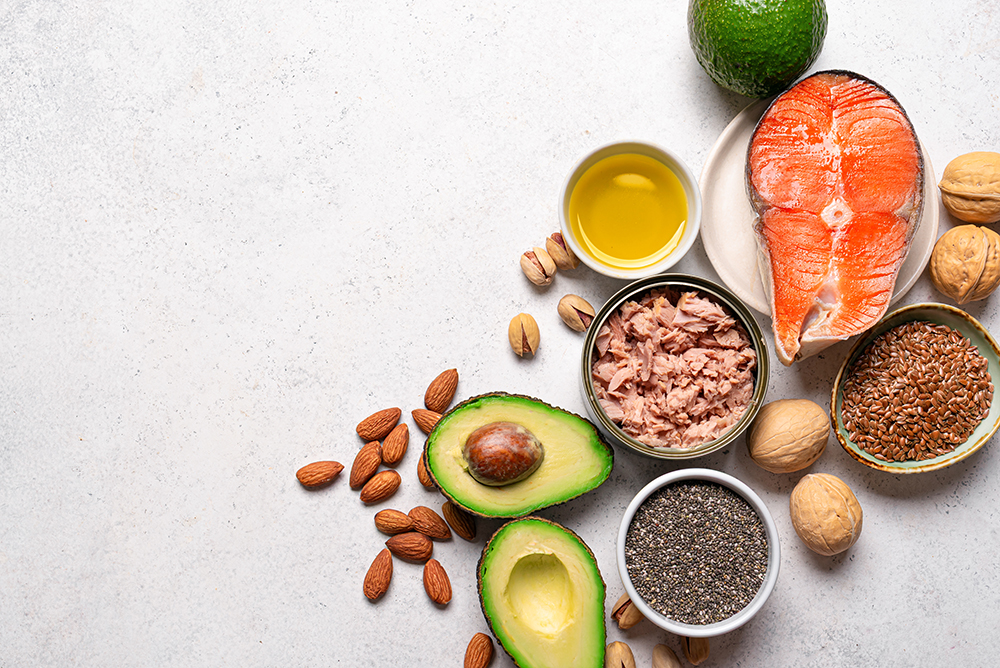
So this October, we’re focusing on a small change that can make a positive contribution to heart health: Omega-3 fatty acids.
Life on the road brings its own challenges – long periods sitting behind the wheel, irregular meal times, early starts and limited opportunities for exercise can all make maintaining a healthy lifestyle more difficult.
We understand the challenges, so we’re not here to tell drivers they to make big changes to their diet, often it’s small tweaks here and there that really make a difference.
What is Omega-3 and why is it important?
Omega-3 fatty acids are essential fats that our bodies need but cannot produce in sufficient amounts on their own.
There are three main types: EPA and DHA, which are found mainly in oily fish, and ALA, which is found in certain plant foods.
Omega-3 fats play important roles in normal bodily function, including heart health.
Five easy ways to add more Omega-3 to your diet
1. Try sardines on toast
Sardines are a source of the marine Omega-3 fats EPA and DHA. They’re convenient, relatively inexpensive and make a filling meal on toast.
2. Add walnuts to your porridge
A handful of walnuts provides plant-based Omega-3, as well as adding a lovely crunch to breakfast.3. Sprinkle seeds onto your breakfast
Chia seeds and ground flaxseeds contain plant-based Omega-3. Try adding them to porridge, yoghurt or breakfast cereal.
4. Make oily fish part of your weekly routine
UK guidance recommends eating at least two portions of fish a week, including one portion of oily fish such as salmon, sardines, trout or mackerel.
5. Consider rapeseed oil
Rapeseed oil contains plant-based Omega-3 and can be a useful alternative to some cooking fats. As with all oils, moderation is important.
Throughout October, you’ll find information around the Pit Stop highlighting the benefits of Omega-3 and offering simple ways to incorporate it into your diet.
It’s all about making healthier choices feel achievable, even when you spend much of your working life on the road.